
Zhejiang Tongtian Bridge – Prestressed Engineering Case Study
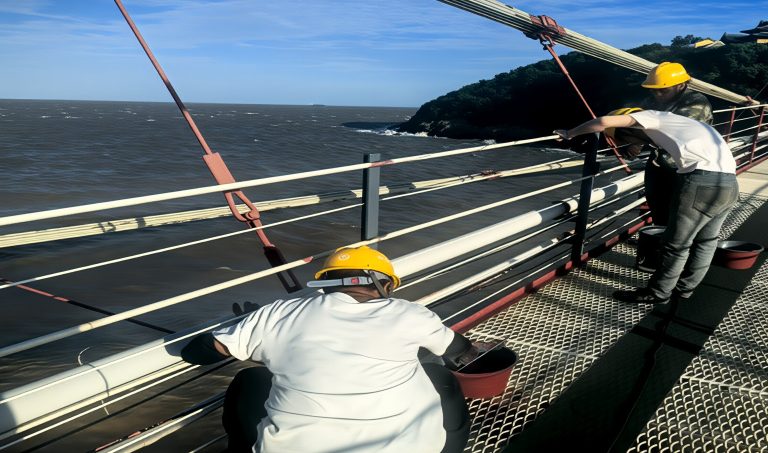
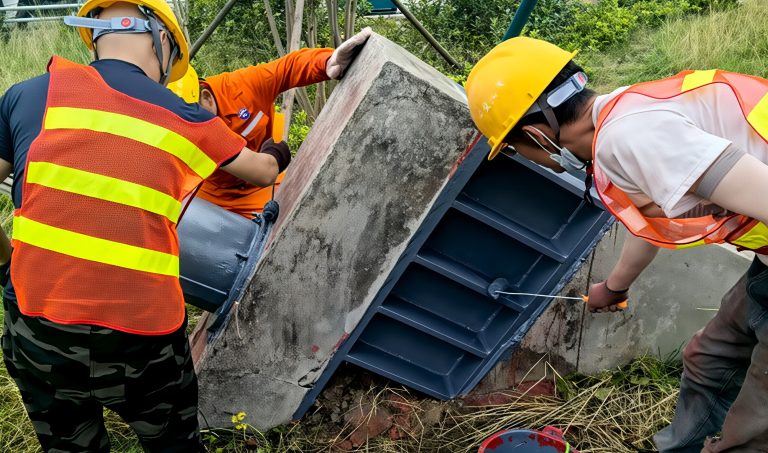
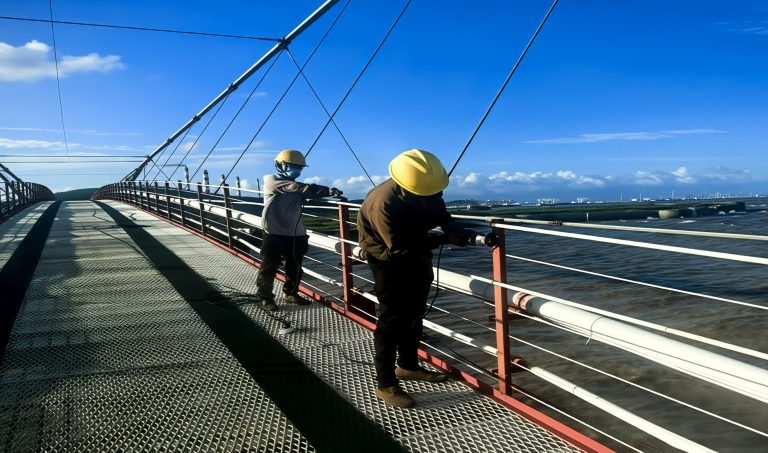
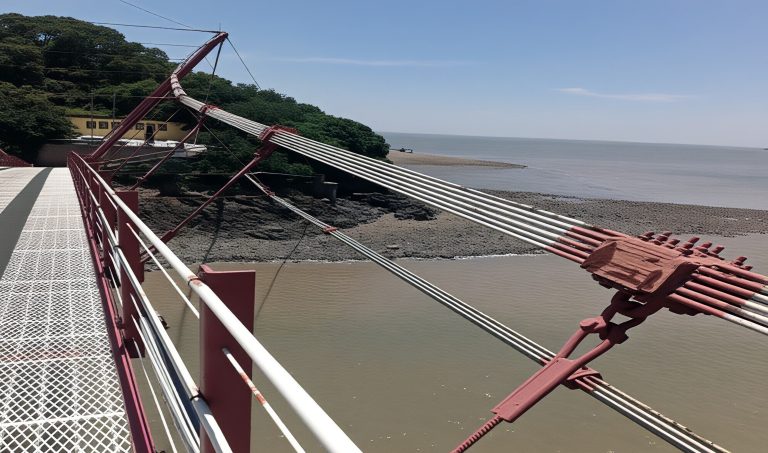
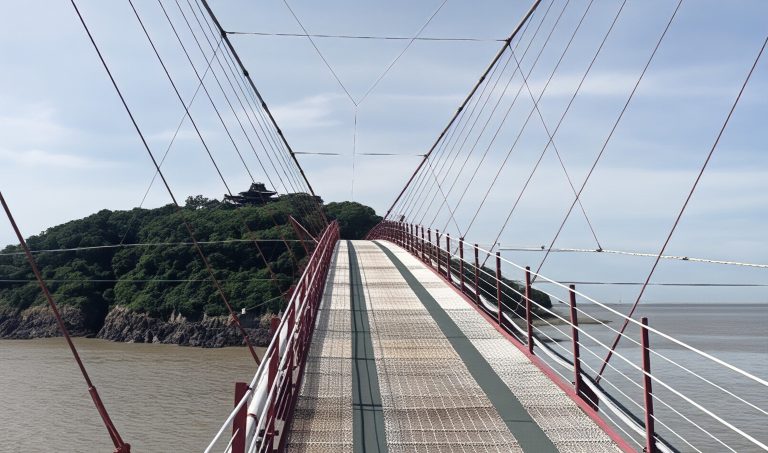
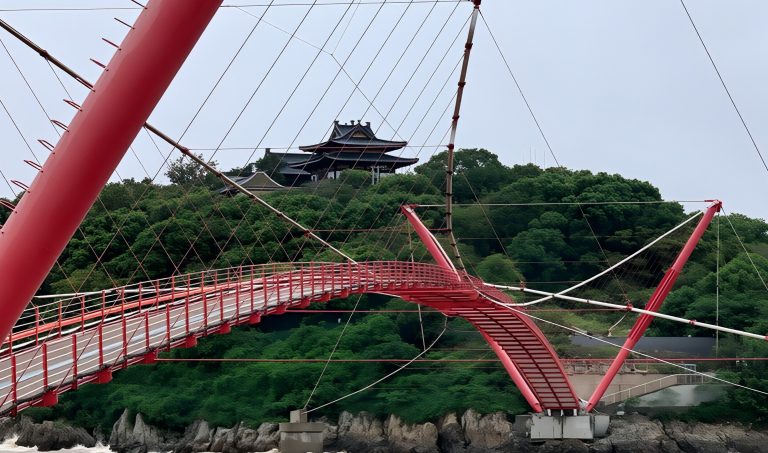
Zhejiang Tongtian Bridge is a landmark highway bridge located in a mountainous region of Zhejiang Province, China. The main bridge adopts a prestressed concrete cable‑stayed structure with a main span of 280 m and a total length of 1,026 m. The bridge features a double‑pylon, double‑cable‑plane system with a prestressed concrete box girder deck. The pylons are 98 m high, and the cables are arranged in a semi‑fan shape. Prestressing technology was extensively applied in the pylon anchorage zones, the box girder deck, and the stay cables themselves to ensure structural efficiency, durability, and seismic resistance.
| Construction Challenge | Description | Prestressed Solution |
|---|---|---|
| Pylon anchorage zone cracking High cable force concentration | The stay cables exert huge tensile forces at the pylon anchorages, causing high local bursting stresses that may lead to concrete cracking. | Use dense spiral reinforcement and multi‑layer prestressed rings around the anchor heads; apply transverse prestressing in the anchorage zone to balance the tension. |
| Long‑span box girder deflection Main span 280 m | The large cantilever length during balanced construction induces high tensile stresses in the top slab, leading to excessive deflection. | Install longitudinal bonded tendons in the top and bottom slabs; optimize the tendon profile to match the bending moment envelope; use staged tensioning to control deflection. |
| Stay cable vibration under wind/rain Rain‑wind induced vibration | Long stay cables are prone to vibrations under wind and rain, affecting fatigue life and passenger comfort. | Install helical ridges on the cable surface; apply external prestressed dampers near the anchor ends; tune cable frequencies to avoid resonance. |
| Grouting in curved ducts High friction & void risk | The curved ducts in the pylon and box girder increase friction and make complete grouting difficult. | Use vacuum‑assisted grouting with low‑viscosity, high‑strength grout; pre‑install grouting and venting pipes at all high points; perform ultrasonic inspection for voids. |
| Corrosion in marine environment Humid coastal climate | The bridge is located near the coast, exposing the prestressing system to chloride‑induced corrosion. | Specify epoxy‑coated strands for all permanent tendons; use corrosion‑inhibited grout; apply additional waterproof coating at anchor heads. |
| High seismic demand Zone of moderate seismicity | Zhejiang has moderate seismic activity; the tall pylon and long spans increase seismic vulnerability. | Design with energy‑dissipating prestressed cable dampers; use vertical prestressing bars in the pylon; improve ductility via unbonded tendons in plastic hinge zones. |
Achieved crack‑free anchorage zones, controlled deck deflection, vibration‑mitigated cables, and 100‑year durability
✅ Achievements & Summary
Through the application of advanced prestressing technology:
· Crack‑free pylon anchor zones achieved using spiral reinforcement, multi‑layer prestressed rings, and transverse prestressing.
· Deflection control in the 280 m main span via optimized longitudinal bonded tendons and staged tensioning.
· Stay cable vibration suppressed by helical ridges and external dampers.
· Corrosion protection ensured by epoxy‑coated strands and corrosion‑inhibited grout.
· Seismic resilience enhanced with energy‑dissipating dampers and vertical prestressing in the pylon.
Zhejiang Tongtian Bridge demonstrates how modern prestressing technology enables safe, durable, and cost‑effective cable‑stayed bridges in challenging coastal and seismic environments.
Liuzhou Xuanqiao
A-10-4, Hebiao Industrial Park, Yufeng District, Liuzhou, Guangxi, China
Email: andy@lzxqv.com
